The Hero's Journey as Told by a Burrito
A structural argument that Joseph Campbell's monomyth is not a grammar of stories but a grammar of processes, most faithfully instantiated in the transit of a composite meal.
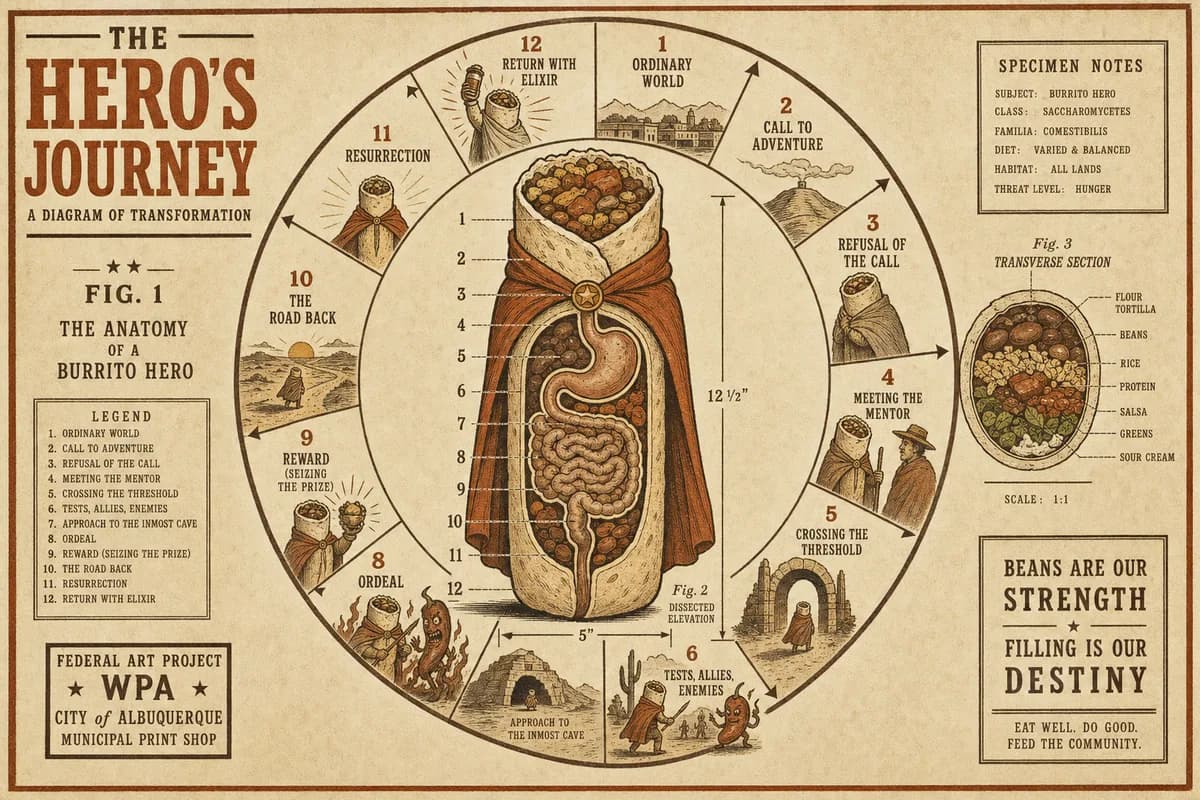
Comparative mythography has generally assumed that its object is narrative — that the monomyth Joseph Campbell distilled in The Hero with a Thousand Faces (1949) is a grammar of stories that cultures tell themselves about departure, ordeal, and return. This essay advances a stronger claim. The monomyth is not a grammar of stories but a grammar of processes, and its most faithful instantiation is neither the Odyssey nor the life of Gautama but the passage of a composite meal through the human alimentary canal. The burrito, I will argue, is the perfected hero of the monomyth — not in spite of its humility but because of it.
The argument turns first on composition. Campbell's hero is never simple; he is an assembly of inherited parts, "a personage of exceptional gifts" gathered from a whole people (Campbell 1949, 37). No foodstuff satisfies this criterion so completely as the burrito, which is constitutively plural — grain, legume, aromatic, and the enclosing tortilla that Propp, were he alive to classify it, would recognize at once as the hero's cloak, the garment of concealment that permits passage (cf. Propp 1968, function XII). The unwrapped plate is a cast of characters. The wrapped burrito is a protagonist.
The Call and the Threshold
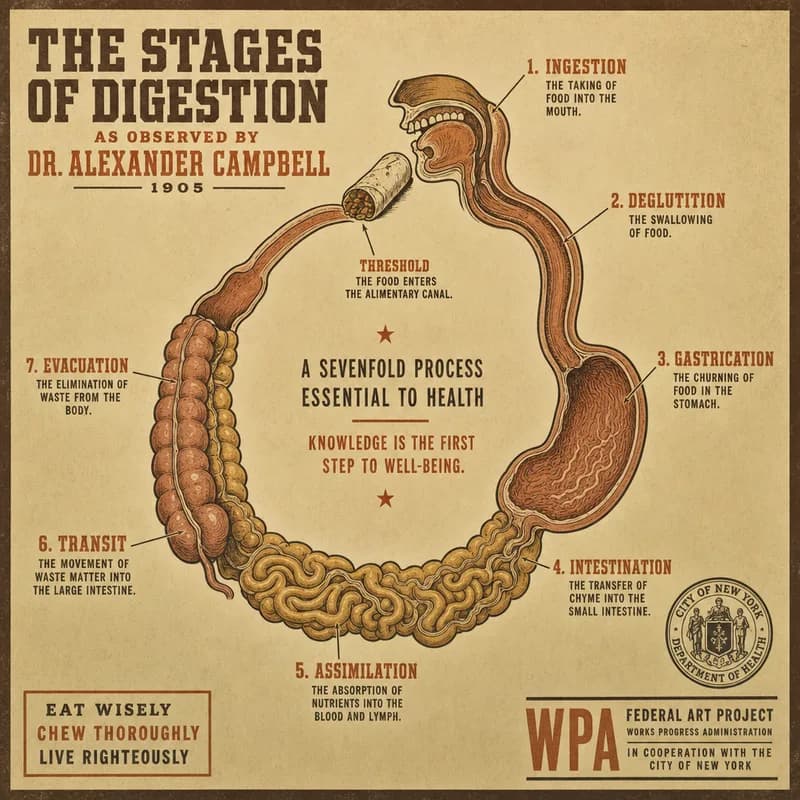
The hero begins at rest in the ordinary world. The Call to Adventure is mastication; the Refusal of the Call is the familiar hesitation of the final, cooling bite. Supernatural aid arrives, as Campbell insists it must, in the form of a helper who furnishes the hero with the means of his ordeal — here salivary amylase, the enzymatic donor of Proppian morphology, which begins the dissolution of the self that adventure requires (Uhl 2018).
Deglutition is the Crossing of the First Threshold. The pharynx is the threshold guardian; the epiglottis, folding to seal the airway, is the guardian appeased. Van Gennep would name this the rite of separation, the moment the initiate is cut loose from the world of the plate and delivered, irreversibly, to the interior (van Gennep 1909). There is no return by this door.
The correspondence between stage and station is rendered schematically below.
The Belly of the Whale
Campbell gives the next stage a name that requires no translation. "The idea that the passage of the magical threshold is a transit into a sphere of rebirth is symbolized in the worldwide womb image of the belly of the whale. The hero, instead of conquering or conciliating the power of the threshold, is swallowed into the unknown, and would appear to have died" (Campbell 1949, 90). One struggles to think of a gloss more literal than the gastric fundus. Here the hero is dissolved: the bolus loses its form, its name, its recognizability, and becomes chyme — a substance that is neither meal nor body, betwixt and between, the very type-case of Turner's liminal (Turner 1969). The apparent death is not a figure. Nothing that entered the whale will leave it intact.
The Road of Trials
Emerging from the stomach the hero enters the Road of Trials, which the anatomist measures at roughly twenty feet of jejunum and ileum — a corridor of villous ordeal across which the hero is progressively stripped of everything he carries of value. Campbell's heroes are always robbed on this road, and always willingly; the trials are the mechanism by which the boon is drawn out of the one who bears it. So it is here. What the small intestine performs upon the hero is not destruction but harvest.
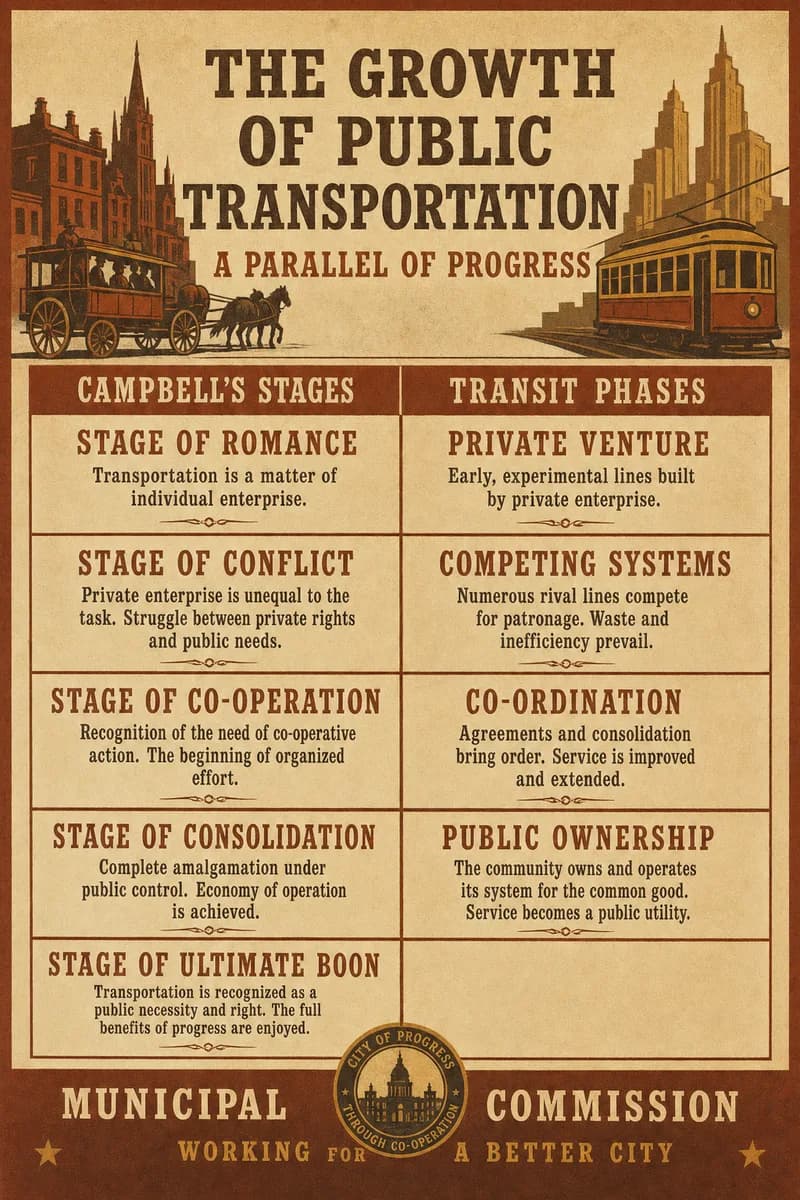
The table below extends the correspondence through the final stage.
The Ultimate Boon and the Return
We arrive at the crux, and at the point where the alimentary hero surpasses his literary rivals. The Ultimate Boon, in Campbell's schema, is the treasure the hero wins and brings home — the elixir, the fire, the fleece. But the greatest heroes, Campbell notes, do not keep the boon; they surrender it to the community that sent them out for it (Campbell 1949, 173). The burrito is incapable of doing otherwise. Its boon — the caloric and nitrogenous wealth it was assembled to carry — is delivered not to itself but to the kingdom of the body, absorbed across the mucosa and dispersed to the citizenry of cells. This is apotheosis in the strict sense: the hero is undone into the sustenance of others.
What remains crosses the Return Threshold. The hero comes back to the world it departed, transformed past recognition, Master of the Two Worlds — belonging now both to the body it briefly served and to the earth that will receive it. Odysseus takes ten years to return home; the burrito, more disciplined, requires between twenty-four and seventy-two hours. And its homecoming is not an ending but a hinge: the returned hero passes into the soil, the digester, and at last the Municipal Fart Grid, where its residual wealth is claimed a second time. Eliade would recognize the figure without hesitation — the eternal return, the boon that renews the world precisely by completing its circle (Eliade 1954).
Conclusion
The monomyth, then, is not a story we tell but a rite we undergo — and undergo not once in a lifetime of departure but two or three times daily, unremarked. Campbell believed the hero with a thousand faces was, at bottom, a single face wearing a thousand masks. The evidence of the canal suggests something humbler and more universal still: that the hero is, in the end, faceless — dissolved, harvested, returned, and made ready to be assembled again. The tortilla is only the most recent of his cloaks.
Works Cited
Campbell, Joseph. The Hero with a Thousand Faces. Pantheon, 1949. Eliade, Mircea. The Myth of the Eternal Return. Princeton University Press, 1954. Propp, Vladimir. Morphology of the Folktale. 2nd ed. University of Texas Press, 1968. Turner, Victor. The Ritual Process: Structure and Anti-Structure. Aldine, 1969. Uhl, Margaret. "The Enzymatic Donor: Toward a Digestive Narratology." Journal of Terminal Studies 12, no. 2 (2018): 44–61. van Gennep, Arnold. Les rites de passage. Émile Nourry, 1909.